Ever seen a simple wooden box transform into a powerful, rhythmic instrument? That's the magic of the cajón. More than just a "box drum," the cajón is a fascinating blend of history, culture, and clever design. In this article, we'll dive deep into what makes a cajón tick – from the wood it's made of to the subtle mechanisms that give it its unique sound. Get ready to uncover the secrets behind this percussive wonder!
A Little History: From Crates to Cultural Icon
Before we get to the nuts and bolts (or should we say, the wood and wires?), let's take a quick trip back in time. The cajón's story begins in Peru, where enslaved Africans, facing limitations, transformed humble wooden shipping crates into expressive instruments. From those resourceful beginnings, the cajón evolved into a vital part of Afro-Peruvian music, and now enjoys a global presence.
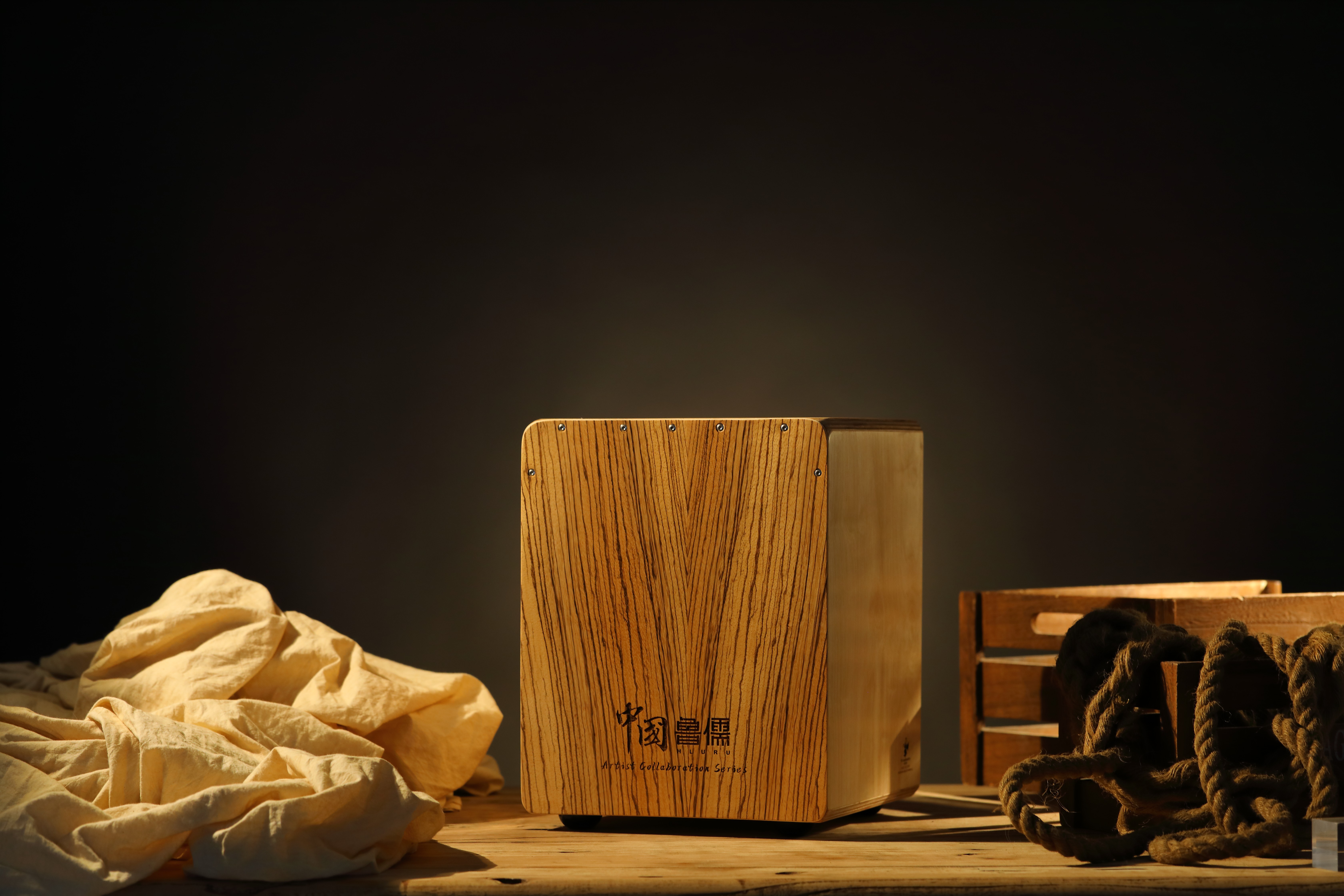
The Skeleton: The Cajón's Body
The cajón's body is its foundation, providing structure and shaping its sound. It's usually made of plywood, but not just any plywood. It's all about the right kind, and how it's put together:
-
Why Plywood?
-
Strong and Stable: Think of plywood as layers of wood glued together. This multi-layer structure makes it far less prone to warping or cracking compared to solid wood – crucial for an instrument that gets a workout.
-
Sound Projection: The way plywood vibrates helps to project sound and give a fuller tone.
-
Budget-Friendly: Plywood also helps make cajóns affordable, so more people can enjoy playing.
-
The Plywood Lineup
Different types of wood bring out different sounds:
-
Birch: This popular choice gives a well-rounded tone with a nice balance of sharpness and depth. It's a versatile wood that works well for many styles of music.
-
Maple: If you're after a brighter sound with more attack, maple is a great pick. It really makes those slaps and pops stand out.
-
Baltic Birch: This premium choice is known for its exceptional resonance, providing a crisp, clear tone that musicians love.
-
Poplar: A more affordable option, great for beginners. Poplar is a bit softer, resulting in a warmer tone with less definition.
-
Thickness Matters: The thickness of the plywood affects the tone, too. Thicker wood usually leads to a deeper, warmer bass response, while thinner wood produces a brighter, crisper sound. (Think of the difference between the bass and the high hat on a drum kit). Typically cajon bodies range from 9mm to 15mm.
-
How It's Put Together: The way the cajón's sides are connected plays a role in its sturdiness and sound quality. You might see traditional dovetail joints on high-end models or other strong, modern construction techniques.
The Magic Touch: The Tapa (Playing Surface)
The tapa (front plate) is where you actually play. It’s generally thinner than the body and made to be responsive:
-
Thin and Tuned: Typically, the tapa is made of a thin hardwood plywood (around 2.5 to 4mm thick), usually birch or oak, chosen for strength and to deliver great tones.
-
Exotic Flair: Some makers use exotic wood veneers to give their tapas a unique look and subtle tonal differences.
-
Solid Wood? While less common, sometimes solid wood is used, which provides a unique, organic tone, although can be prone to cracks.
-
Thin for Sensitivity: The thinness of the tapa is key. A thinner surface is more responsive to even the lightest touch, giving you great control over the sound. A thicker one gives a more powerful thump.
The Inside Story: Snares, Strings, and the "Buzzzzz"
The inside of the cajón isn't empty! There's a bit of clever design at play:
-
Snares: Just like a snare drum, many cajóns have snare wires inside, pressed against the tapa. When you hit the tapa, they vibrate, adding a crisp, rattling "buzz" to the sound.
-
Strings: Some cajóns use guitar strings instead of (or in addition to) snare wires. These are often placed vertically against the tapa, giving a unique "slap" tone and adds a complex resonance.
-
Customizing Your Sound: Many modern cajóns allow you to adjust the tension of the snares or strings to change the sound.
The Finishing Touches
-
Rubber Feet: These little guys keep your cajón stable and help keep vibrations from transferring to the ground.
-
Finishes: A lacquer or stain not only makes the cajón look good but also protects the wood.
Why All This Matters: The Science Behind the Sound
The materials aren't randomly picked; they're carefully chosen to balance:
-
Resonance: How well the instrument amplifies sound.
-
Sustain: How long the sound lasts after you hit it.
-
Attack: The initial "punch" or sharpness of the sound.
-
Frequency Range: All the high, mid, and low tones it can produce.
FAQ - Your Burning Questions Answered
-
What's the "best" wood for a cajón tapa? It really depends on what you like! Birch is a great all-around option, maple for a brighter tone, and other species also available.
-
Can I build a cajón myself? Absolutely! There are many guides online. Just be prepared to put in the time and effort.
-
How do I take care of my cajón? Avoid extreme temperatures, and just give it a wipe-down after playing.


