Why Play a Cajón on the Floor?
The cajón, a versatile percussion instrument, is typically associated with a seated player, the box positioned between the knees. However, the question arises: can you play a cajón on the floor? The short answer is yes, absolutely! While not the traditional approach, playing the cajón on the floor opens up a range of possibilities, providing unique sonic characteristics and a different playing experience. Let’s explore the how, the why, and what to consider when taking your cajón to the ground.
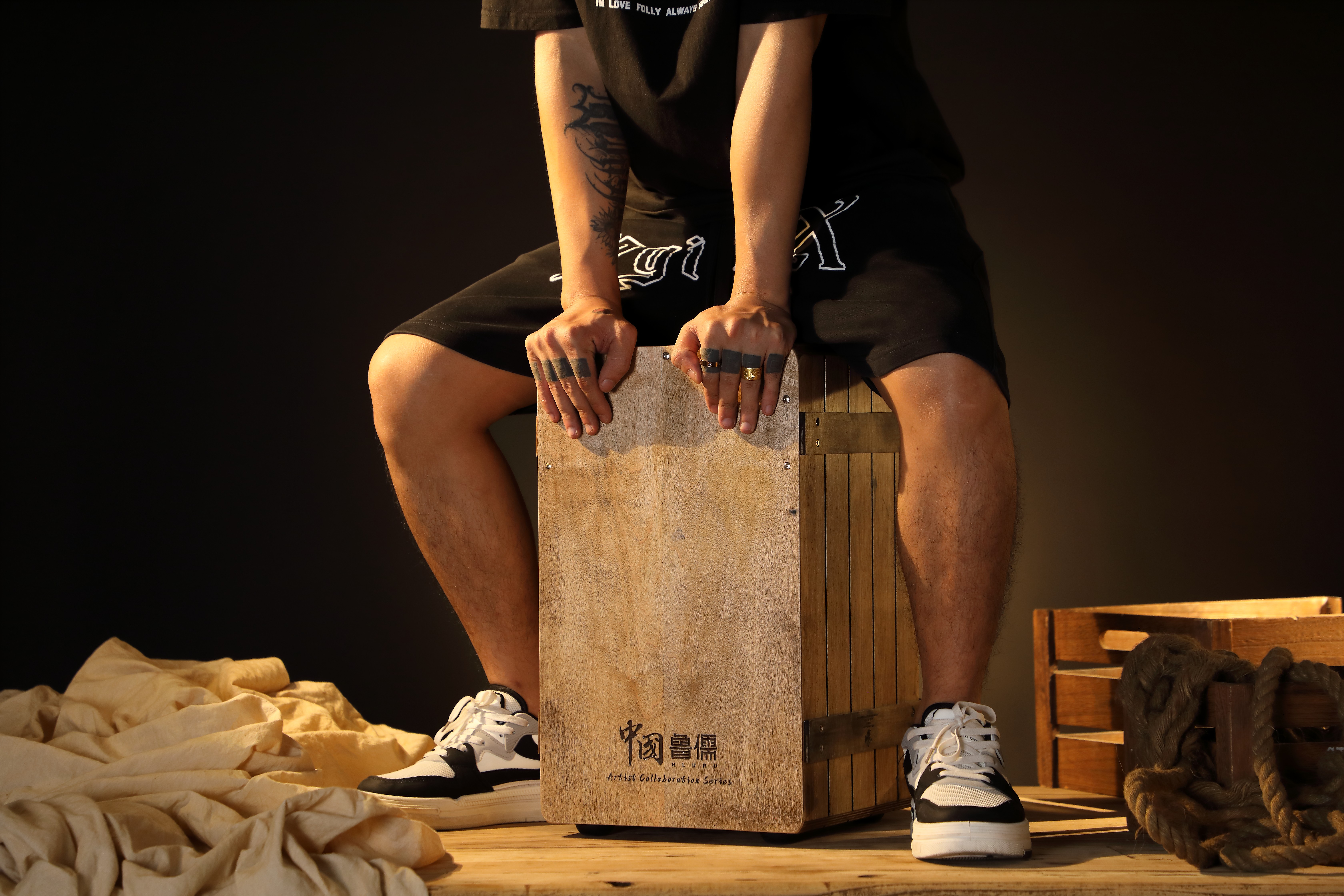
Techniques for Playing a Cajón on the Floor
While the core principles of cajón playing remain the same, playing on the floor requires some adaptation:
Positioning
- Angled Placement: Instead of having the front of the cajón directly facing the player, try angling the cajón slightly.
- Side-on Position: Playing with the cajón positioned on its side (with the tapa facing up) can also be a viable option.
- Proximity: Adjust the distance between you and the cajón, according to the sound and comfort you are trying to achieve.
Striking Techniques
- Hand Techniques: The core hand techniques remain the same (fingertips, slaps, palms, etc.).
- Foot Techniques: Incorporating footwork is easier when playing on the floor.
- Hybrid Approaches: Some players use a combination of hand and foot techniques.
Body Engagement
- Use your torso: Playing on the floor often involves more body movement.
- Keep it Relaxed: Avoid tensing up. Maintain a relaxed posture to play for extended periods.
Tonal Exploration
- Experiment with Floor Surfaces: Different floor surfaces will impact resonance and the overall sound.
- Play Near Walls and Corners: Position the cajón near walls or corners to amplify bass response.
Considerations and Challenges
Playing the cajón on the floor also presents some challenges:
- Ergonomics: Some may find floor playing uncomfortable, especially if they have joint or back issues.
- Limited Mobility: It can be harder to transition to other parts of a kit or to move about.
- Tonal Changes: Floor playing can result in some high-end frequencies being dampened.
- Getting Used To It: It may take time to adapt to the new playing angles and body positions.
Conclusion: Embrace the Floor
Playing a cajón on the floor offers a unique and rewarding experience. While it might not be the traditional approach, it presents new creative possibilities, altering the acoustics and encouraging a different type of engagement with the instrument. By embracing the floor, you can explore new dimensions of your playing and discover the versatility of the cajón in a new setting. Whether you’re playing for fun, experimenting, or adapting to space constraints, don't be afraid to take your cajón to the ground and explore the rhythmic possibilities that await.


