The kalimba, also known as the thumb piano, is an instrument that charms with its gentle tones and intuitive playing style. As you explore the kalimba world, one of the first questions you might encounter is, "How many keys are best?" This query isn't just about numbers; it's about understanding how different key configurations impact the instrument's range, playability, and the type of music you can create. This article will guide you through the considerations to help you find the ideal number of keys for your kalimba journey.
Understanding the Role of Kalimba Keys
The keys on a kalimba, also called tines or lamellae, are the metal strips that produce sound when plucked. Each tine is tuned to a specific pitch, and the number of tines directly determines the musical range of the instrument. More tines generally mean a wider range of notes, and a greater capacity for playing complex melodies and harmonies. Standard tunings usually follow diatonic scales (like C major), with specific patterns of notes arranged to facilitate intuitive playing.
Common Key Configurations
Kalimbas come in a variety of key configurations, each with its unique characteristics and applications. Here's a look at some common key numbers:
- 7-Key: Very basic, suitable for simple melodies and beginner exploration. Often tuned in a pentatonic scale.
- 10-Key: An upgrade from 7-keys, allows for a slightly greater range, often also in a pentatonic or diatonic scale.
- 15-Key: A less common option, but offers a wider range than 10 keys, sometimes tuned diatonically.
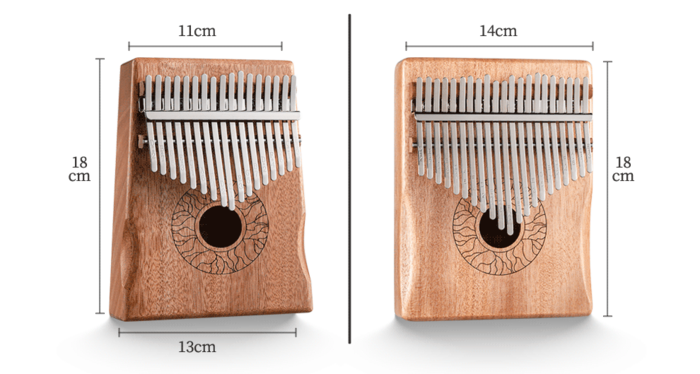
- 17-Key: The most popular configuration, generally tuned to the key of C major, offering a diatonic range across two octaves.
- 21-Key: Expands upon the 17-key, adding lower-pitched tines for a wider range, enabling more complex arrangements and bass lines.
- 34-Key (or more): Offers the widest range of notes, allowing for more diverse and complex musical exploration, sometimes even with chromatic options.
Analyzing 17-Key Kalimbas

The 17-key kalimba has become the standard for many players. Its popularity stems from its accessibility and versatility. Typically tuned to the key of C major, it provides a diatonic scale over two octaves, suitable for a vast array of melodies.
Pros:
- Beginner-Friendly: Its straightforward layout and the common C major tuning make it very easy for beginners to grasp.
- Affordable: Usually more budget-friendly compared to the 21-key and larger options.
- Portable: Its compact size makes it easy to carry around and play on the go.
- Wide Range of Music: Suitable for a large variety of melodies, folk tunes, and popular songs.
Cons:
- Limited Range: The two-octave range can limit the types of music you can play, especially if you wish to play bass notes.
- Lower Notes: The absence of lower bass notes can restrict playing more complex or varied musical pieces.
- Complex Pieces: Playing very complex pieces that require a broader range of notes can be challenging.
Suitable Users:
- Beginners who are new to the kalimba and want an easy way to learn.
- Casual players who enjoy playing simple melodies and basic songs.
- Those who prioritize simplicity, portability, and an affordable entry point.
Analyzing 21-Key Kalimbas
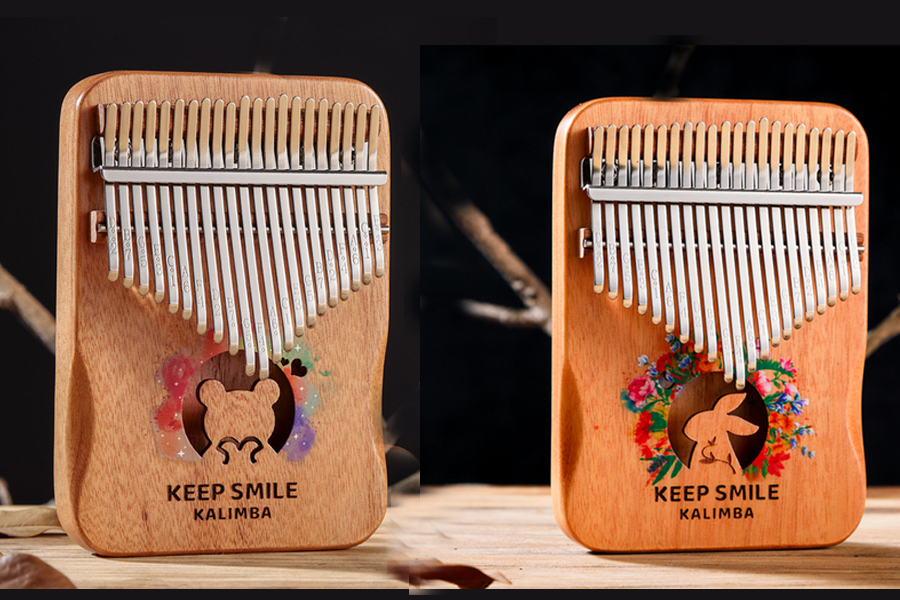
The 21-key kalimba expands upon the 17-key by adding lower-pitched tines, offering an extended range that often includes more bass notes. This allows for more dynamic and complex musical performances.
Pros:
- Wider Range: The added bass notes provide a richer, more versatile musical palette.
- More Versatile: Greater creative freedom to play more complex harmonies and melodies.
- Suitable for Bass Lines: The lower tines make it possible to play bass lines, adding a richer foundation to songs.
- More Complex Arrangements: Well-suited for more complex musical arrangements and compositions.
Cons:
- Overwhelming for Beginners: The increased number of tines can make it more difficult for a complete beginner to navigate.
- Less Portable: The larger size may be less practical for those who want a highly portable instrument.
- More Expensive: Generally, it’s a more significant financial investment than the 17-key.
Suitable Users:
- Intermediate to advanced players who want to explore more complex pieces and harmonies.
- Those interested in creating more diverse musical arrangements and compositions.
- Players who are less concerned with portability and willing to invest more in the instrument.
Other Key Configurations
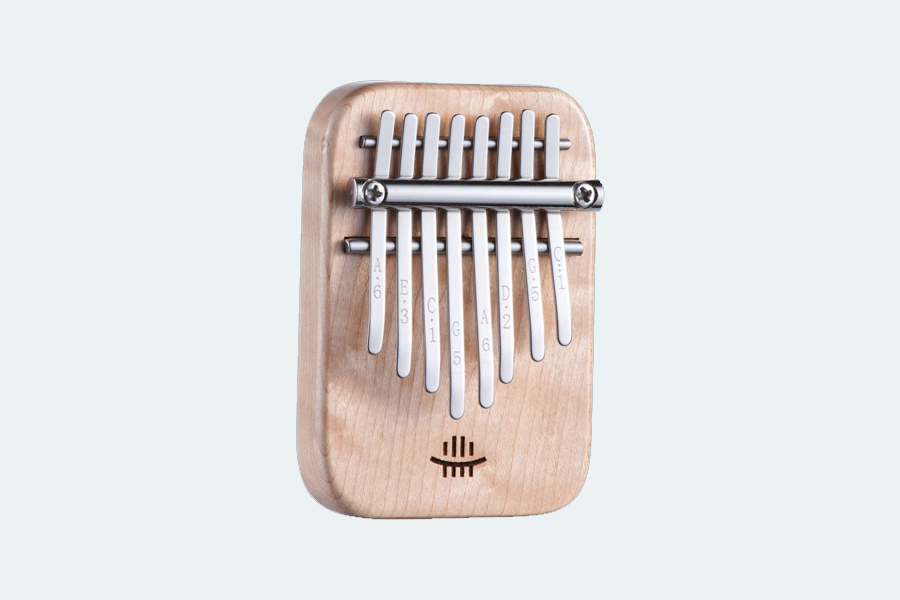
8-Key and 10-Key Kalimbas: These options are highly simplified, focusing on very basic melodies. They are excellent for children or for very new players looking for an ultra-minimalist experience. They have a limited range, often tuned to pentatonic scales.
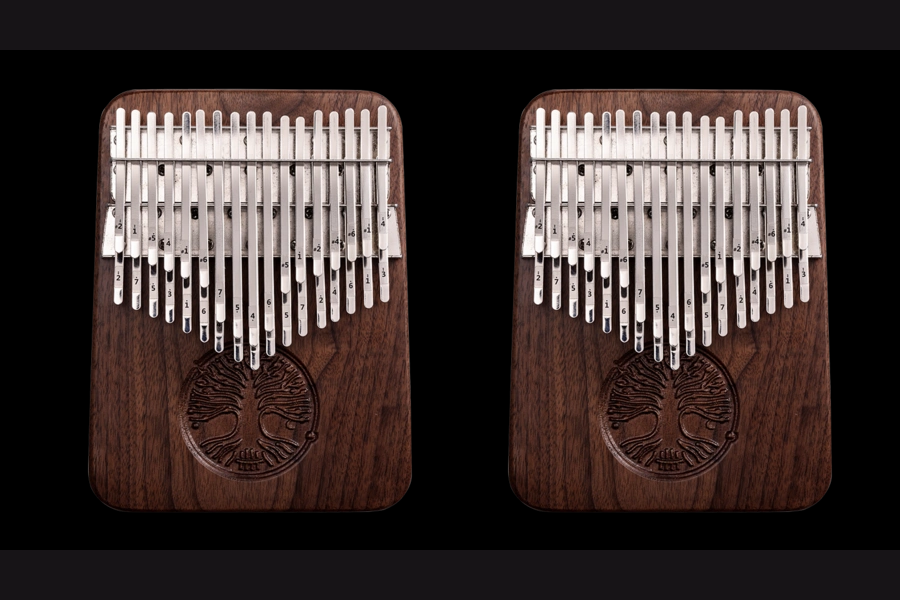
34-Key Kalimbas: These offer a full range of notes and provide a much greater capacity for musical exploration. They may also include chromatic tines. These are usually suited for advanced players and those wanting to explore more advanced musical concepts.
Making the "Best" Choice
There is no "one-size-fits-all" answer when it comes to choosing a kalimba. Your decision should be based on your musical goals, personal preferences, and skill level. If you're a beginner, the 17-key kalimba is an excellent starting point. If you’re aiming for more complex performances, consider moving up to a 21-key kalimba or higher.
Conclusion
Ultimately, the best kalimba for you will depend on your musical aspirations, playing environment, and experience. With the right number of keys, you can enjoy an instrument that brings both simplicity and depth, unlocking a world of beautiful sounds.


