What is a Cajon Instrument?
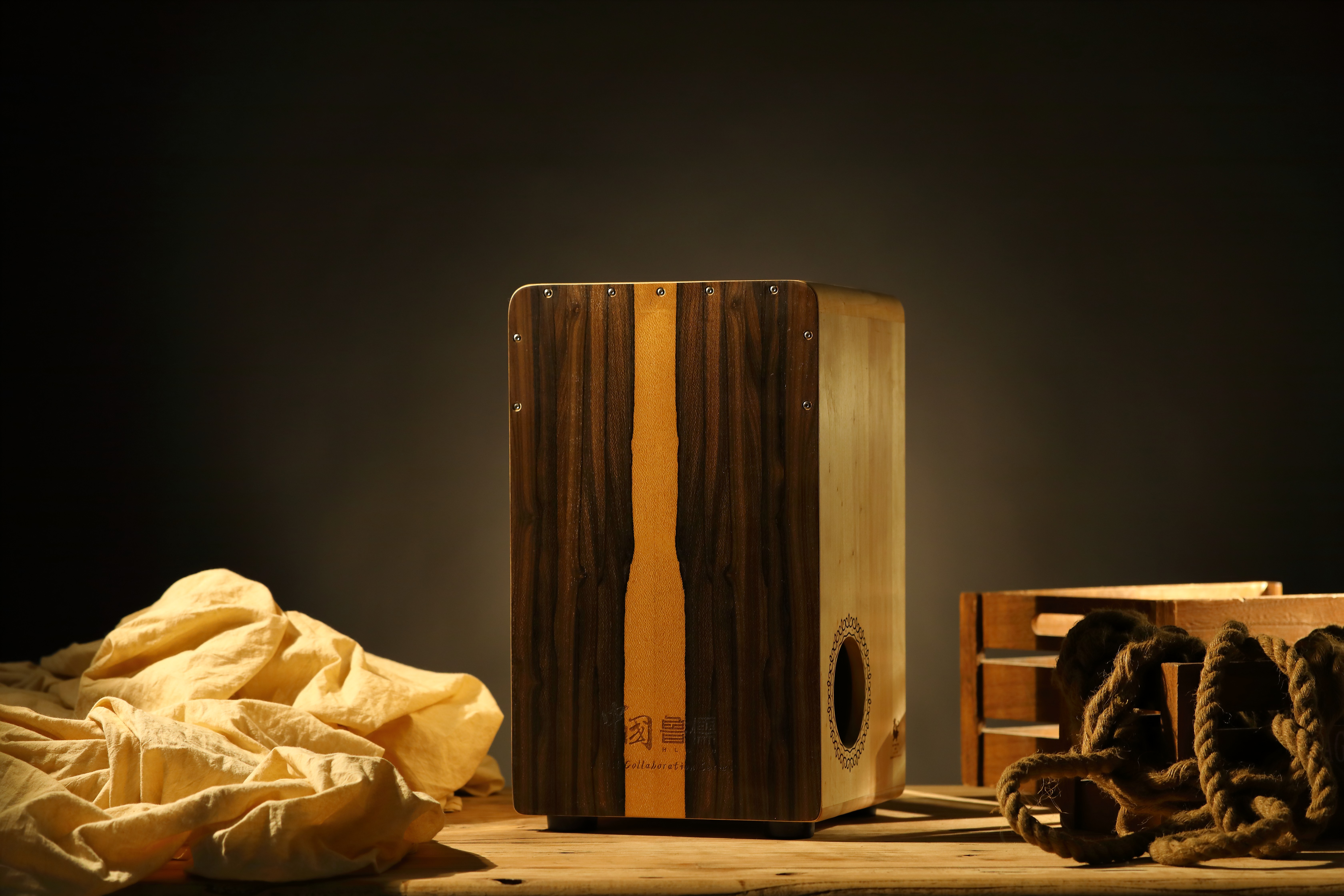
The cajon (pronounced "ka-hon") is a box-shaped percussion instrument that originated in Peru. It’s essentially a wooden box with a thin front panel, called the tapa, that is struck with the hands to create a range of percussive sounds. The back of the cajon usually has a sound hole to project the sound.
History and Origins of the Cajon
The history of the cajon is a powerful story of human resilience and musical innovation. Its origins trace back to coastal Peru during the era of slavery. African slaves, forbidden from playing their traditional drums, ingeniously transformed packing crates and boxes into musical instruments.
Exploring Different Types of Cajon
The cajon has evolved into a variety of different designs, each with unique sonic characteristics and playing experiences:
- Peruvian Cajon: Traditional type without snare wires, producing a resonant, bass-heavy tone.
- Flamenco Cajon: Includes snare wires for a bright, percussive sound suitable for Flamenco rhythms.
- Snare Cajon: Features adjustable snare wires for more versatile sound control.
- Travel Cajon: Smaller, lightweight models designed for portability.
- Electronic Cajon: Models incorporating digital sounds for diverse tonal options.
- Cajonito: A smaller, high-pitched version often used for intricate rhythms.
Anatomy of a Cajon
Understanding the components of a cajon helps in appreciating its construction:
- Tapa: The striking surface, typically made from thin plywood, affects the cajon's sound.
- Body: The resonating chamber, usually made from MDF or birch, influences the tone.
- Sound Hole: Located at the back, it affects sound projection and bass emphasis.
- Snare System: Adds a buzz-like effect; adjustable snare wires allow more control over sound.
Mastering Playing Techniques
Effective cajon playing requires learning various techniques:
- Basic Techniques: Bass, tone, and tap/slap.
- Essential Rhythms: Rock beats, Latin rhythms, etc.
- Advanced Techniques: Finger rolls, heel-toe techniques, and ghost notes.
Choosing the Right Cajon: A Buyer's Guide
When selecting a cajon, consider factors like budget, intended use, and playing style. For example:
- Budget: Entry-level cajons start at $100, while high-end models can exceed $1000.
- Use: Travel cajons are portable, while snare cajons offer more versatility.
- Playing Style: Traditional Peruvian cajons for folk music, or snare cajons for Flamenco and modern music.
Cajon Care and Maintenance
Proper care ensures longevity for your cajon. Key maintenance tips:
- Humidity and Temperature: Store your cajon in a controlled environment to prevent damage.
- Cleaning: Use a soft cloth to clean the surface.
- Tuning: Adjust snare wires as needed for your preferred sound.
Cajon in Contemporary Music
The cajon has become a staple in various musical genres, from Flamenco to pop, rock, and jazz. It has evolved into a global instrument, used by musicians like Alejandro Sanz and Alex Acuña.


