< img height="1" width="1" style="display:none" src="https://www.facebook.com/tr?id=2367706423682221&ev=PageView&noscript=1" /> Is the Cajon Really Easy to Play? A Beginner's Guide to This Fun Instrument

Is the Cajon Really Easy to Play? A Beginner's Guide to This Fun Instrument

By bruce January 7th, 2025 1710 views

Is the Cajon Really Easy to Play? A Beginner's Guide to This Fun Instrument

So, you're curious about the cajon. You’ve probably seen someone playing this box drum and wondered, “Is it really as easy as it looks?” The short answer is: yes, it can be! But there’s more to it than just tapping on a box. Let’s explore why the cajon is such a popular choice for beginners and how you can quickly start making music with it.

The Cajon: A Simple Box with a World of Rhythms

The cajon is essentially a wooden box with a striking face, and its simplicity is its superpower. Unlike instruments with complex mechanisms, the cajon’s straightforward design means you can focus on rhythm and technique right from the start. The simplicity isn’t limiting – it’s the canvas for your creativity.
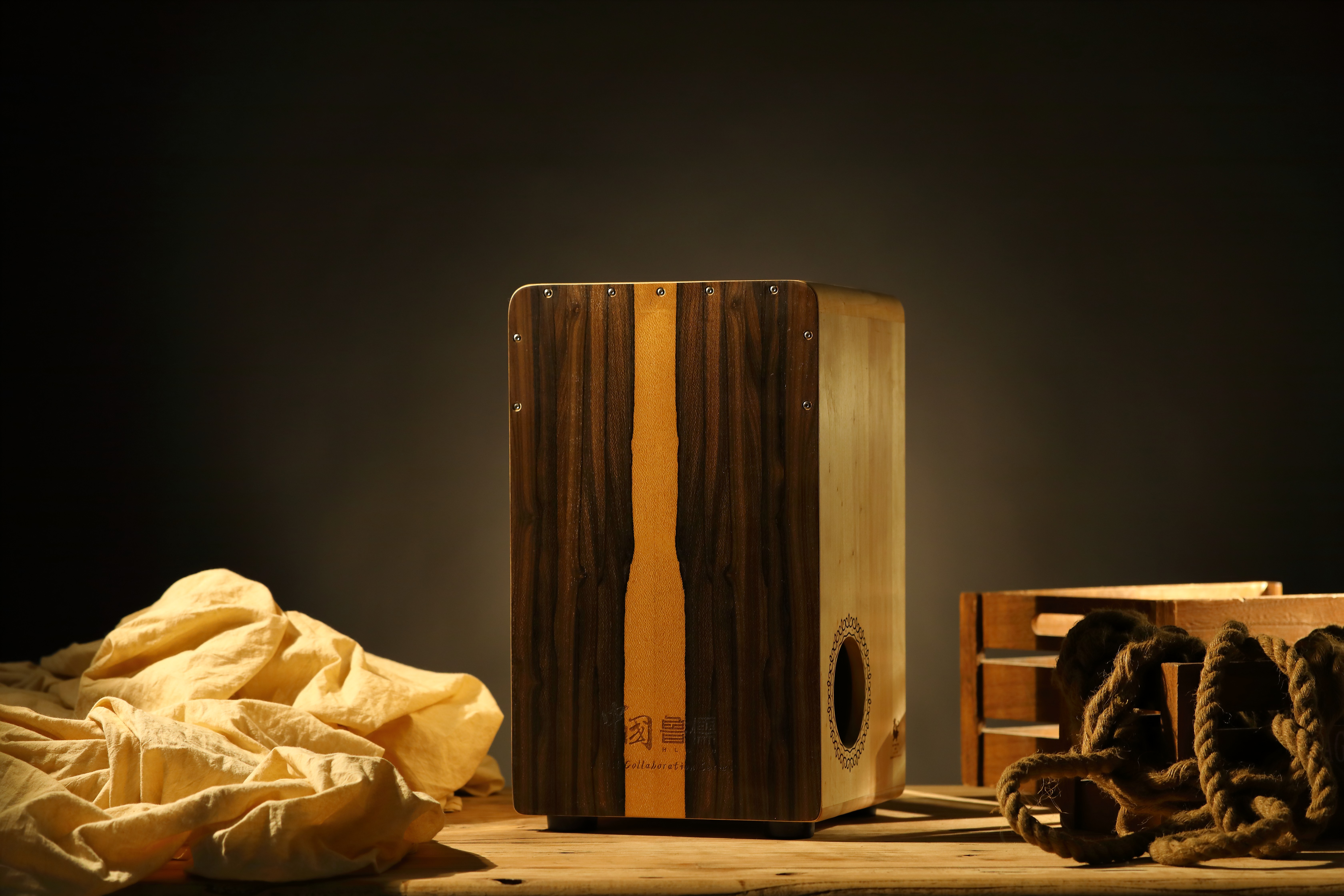
cajon drum

The Basic Sounds: It's All in Your Hands

There are three fundamental sounds you need to know:

  • The Bass: Think of a deep, resonant thud. You get this by striking the center of the cajon face with your palm. Imagine hitting a bass drum – that’s the sound we’re going for.
  • The Tone: This is a sharper, higher-pitched sound. Use your fingertips or the edge of your palm to strike closer to the edge of the striking face.
  • The Tap: For a subtle, lighter sound, tap lightly with your fingertips. This is great for adding texture to your rhythms.

These basic techniques are simple to learn and allow you to start making music quickly. For example, try this simple rhythm: bass - tap - tone - tap. You'll be surprised how musical it sounds!

A Gentle Learning Curve: Start Making Music Right Away

The cajon is known for its gentle learning curve. Many beginners can start producing basic rhythms and beats within the first hour of playing. This immediate feedback is rewarding and motivates you to keep going. Unlike learning a guitar with chords and scales, or drums with complex coordination, the cajon is intuitive and allows you to focus on the pure joy of rhythm.

It's Not About Strength, It's About Technique

The cajon isn’t about raw physical power. It’s about technique and precision. While playing for a long time can be physically demanding, the initial learning stages are not. You don’t need to be super fit or have any prior musical skills to play it, and most people can pick it up and play in a comfortable, seated position.

Ready to Level Up? Advanced Techniques Await

Once you’ve mastered the basics, the world of cajon techniques opens up. Here are a few to explore:

  • Heel-Toe Technique: Use your foot to create quick, double beats, adding a funky bassline to your rhythms.
  • Finger Rolls: Roll your fingers across the striking face for smooth, flowing sounds.
  • Brushes: Use brushes instead of your hands for a softer and more textured sound.

These techniques take time to master, but they add depth and complexity to your playing.

Choosing the Right Cajon: Quality Matters

The quality of your cajon matters. A well-constructed cajon with a responsive face will produce clearer tones and make playing easier and more enjoyable. Think of it as buying a good pair of shoes – you want something that feels good and supports your performance.

Cajon for Everyone: Who is This Instrument For?

  • Kids: The cajon is a great introduction to music for kids because it’s intuitive and fun.
  • Adults with No Musical Experience: Don’t worry if you’ve never played an instrument before. The cajon is incredibly beginner-friendly.
  • Experienced Musicians: The cajon can be a new source of inspiration for musicians looking to explore new rhythms and techniques.
  • Those with Limited Mobility: The cajon is often played sitting down, making it accessible to people with mobility limitations.

Common Mistakes Beginners Make (and How to Avoid Them)

  • Using too much force: Start softly, then adjust as needed.
  • Not using your whole hand: Engage your whole palm for a good bass tone.
  • Not practicing regularly: Even 15 minutes a day can make a big difference.

Ready to Start? Here's What to Do Next

  • Watch a tutorial: There are tons of free videos online that show you basic techniques.
  • Find a cajon: Check out our [Link to Product Page] or visit a local music store.
  • Start practicing: Even 15 minutes a day will help you improve quickly!

Conclusion: The Cajon is Waiting for You

The cajon is a fun, versatile, and accessible instrument that is easy to learn and hard to put down. Whether you're looking for a new hobby or a new way to express yourself musically, the cajon is an excellent choice. So, what are you waiting for? Pick up a cajon, start playing, and let the rhythm take over.

Product Recommendation


Hluru 49CN Black And White Ebony White Tiger Cajon


Hluru ChineseAsh Cajón 42CN Teenager Series - Vermilion Bird


Hluru Vermilion Bird Cajon

Is a Cajon drum the Perfect Gift? Unveiling Why It's More Than Just a Box
Previous
Is a Cajon drum the Perfect Gift? Unveiling Why It's More Than Just a Box
Read More
How Many Types of Cajón Are There? A Complete Guide
Next
How Many Types of Cajón Are There? A Complete Guide
Read More

To be A Dealer

If you have any queries, get in touch today! Don't hesitate. We try to take the extra step for our customer satisfaction.
Your Name*
Your Company*
Email*
WhatsApp number or phone number*
Message*
We use Cookie to improve your online experience. By continuing browsing this website, we assume you agree our use of Cookie.