The handpan, a melodic percussion instrument with ethereal tones, has fascinated musicians and beginners worldwide. Its intuitive design and accessible learning curve make it a popular choice for those new to music. However, mastering the handpan requires an understanding of its structure, playing techniques, and effective learning strategies. This guide explores the key factors that determine how easy the handpan is for beginners, offering practical insights and structured learning approaches.
Handpan's Design: A Beginner-Friendly Instrument
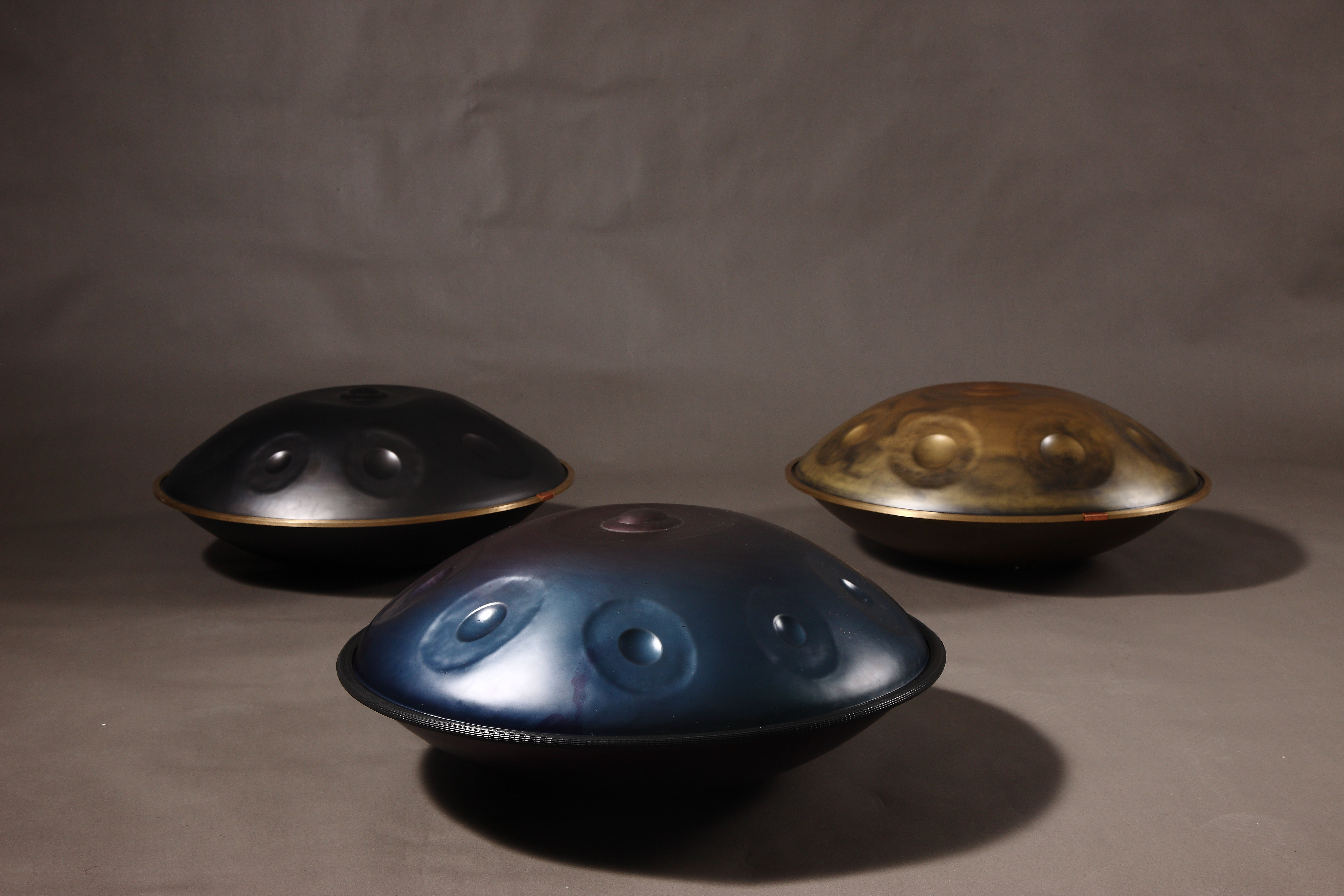
The handpan is designed to be intuitive, making it easier for beginners to produce harmonious sounds compared to traditional instruments like pianos or guitars. It usually consists of 8–10 tone fields symmetrically arranged around a central “Ding” note. This layout simplifies note recognition and enables smooth melodic exploration.
Why the Handpan Is Easy to Start With:
- Intuitive Layout: The circular note arrangement helps beginners play melodies using spatial memory rather than complex music theory.
- Minimal Physical Effort: Played with fingers and thumbs, the handpan requires no excessive hand strength, reducing physical strain.
- Instant Gratification: Even without prior musical knowledge, beginners can create pleasant sounds simply by tapping different tone fields.
To further aid learning, numbered stickers can be used on the tone fields to help beginners recognize notes and improve hand positioning.
Effective Learning Methods: The Fastest Way to Improve
While the handpan encourages self-exploration, structured learning significantly enhances progress. Various learning resources, including video tutorials, notation systems, and online communities, offer beginners a clear learning path.
Key Features of an Effective Beginner Handpan Course:
- Overhead Video Lessons: Watching an instructor from a top-down perspective allows learners to mirror hand movements easily, making learning faster.
- Symbol-Based or Color-Coded Notation: Many handpan courses avoid traditional sheet music, instead using visual cues that make it easier for beginners to understand rhythms and patterns.
- Step-by-Step Skill Development: The best courses start with basic rhythms (like 4/4 time signatures) and gradually introduce more complex techniques, such as improvisation and composition.
- Community Support: Online forums, live workshops, and peer feedback help maintain motivation and accelerate learning.
By choosing a structured program with these features, beginners can shorten the learning curve and build confidence faster.
Common Challenges and How to Overcome Them
Even though the handpan is beginner-friendly, some technical and psychological challenges may arise.
Technical Challenges:
- Inconsistent Sound Production: Many beginners press their palms against the instrument, muting the vibrations. The correct technique involves striking with the fingertip’s first joint and retracting immediately for maximum resonance.
- Rhythm Control Issues: While simple rhythms are easy, complex patterns (such as odd meter time signatures) require greater coordination. Practicing with play-along tracks can improve rhythmic accuracy.
Mental Barriers:
- Repetitive Practice Fatigue: Beginners may feel stuck after learning a few patterns. To stay motivated, structured courses introduce variations and improvisation exercises that encourage creative exploration.
- Performance Anxiety: Engaging with a supportive community through online forums or live workshops can boost confidence and normalize the learning process.
How the Handpan Compares to Other Instruments
Unlike many traditional instruments, the handpan allows beginners to achieve musical fluency quickly.
Advantages Over Other Instruments:
- No Music Theory Required: The handpan is typically tuned to a single musical scale, meaning any combination of notes sounds harmonious. Beginners can improvise freely without worrying about dissonance.
- Faster Learning Curve: With consistent practice, beginners can play simple yet satisfying melodies within weeks. In contrast, instruments like the violin or piano take years to master.


